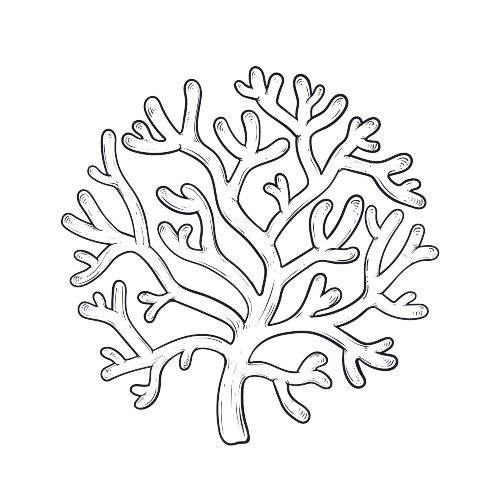

How we diagnose the Coral Reef's?
Utilizing cutting-edge Machine Learning (ML) technologies empowered by vast datasets, we meticulously analyze coral reef images with our advanced ML model. Our diagnostic approach systematically evaluates various criteria, enabling precise assessment and identification of critical factors affecting coral reef health. Through our sophisticated methodology, we aim to contribute significantly to the preservation and conservation efforts of these invaluable ecosystems. Explore our innovative solutions for comprehensive coral reef analysis on our website.
Datasets
Consequuntur sunt aut quasi enim aliquam quae harum pariatur laboris nisi ut aliquip
ML models
Excepteur sint occaecat cupidatat non proident, sunt in culpa qui officia deserunt
Services
Check out the great services we provide
Analyize Coral
Upload the coral reef image you want to diagnose and get results from highly trained ML Model
Research Coral
Learn more about coral reefs and their health through our research dataset and past diagnosed coral reef data.
Optimistic Datahouse
Providing a platform to store and manage corals' information for further analysis with our large efficently managed coral reef datasets.
Connecting Communities
Connecting community members, researchers and conservation agencies to share knowledge and resources about corals reefs.
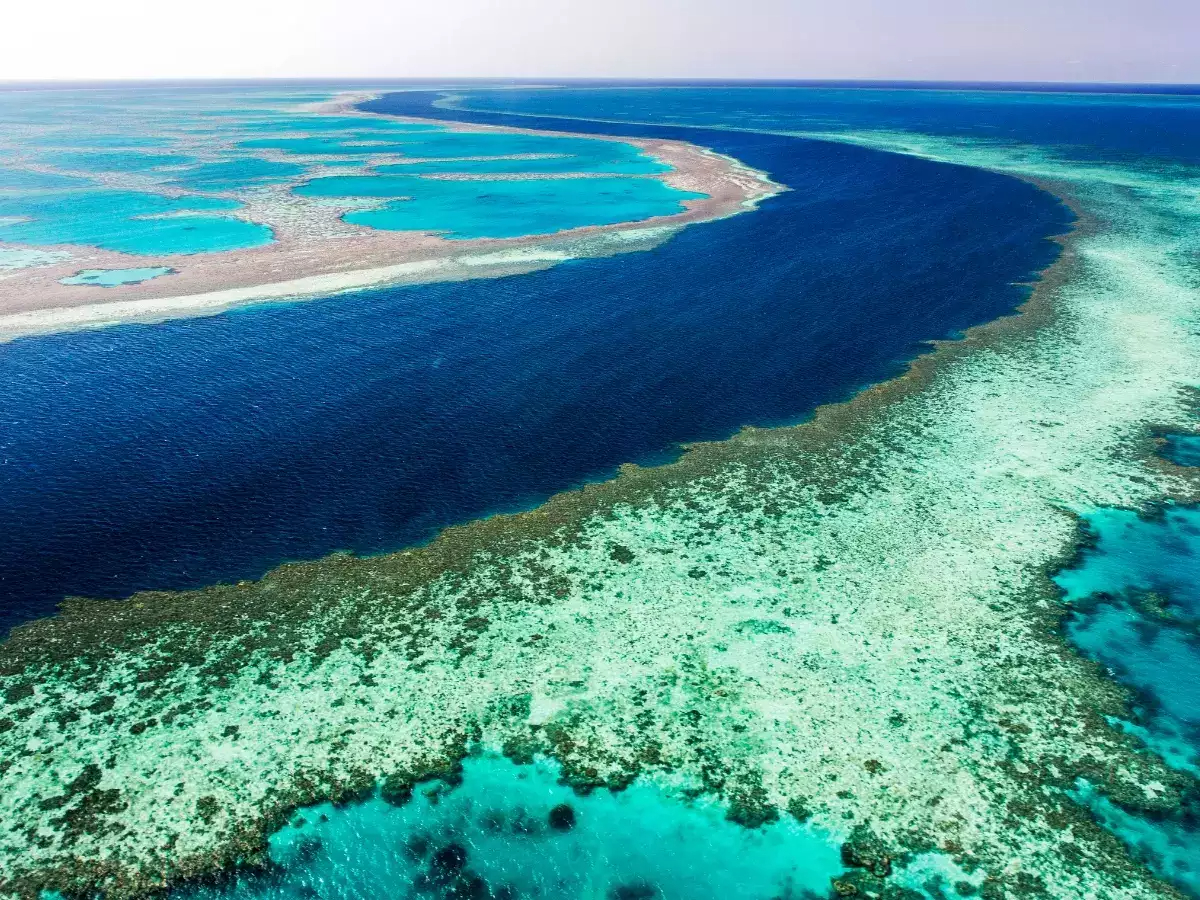
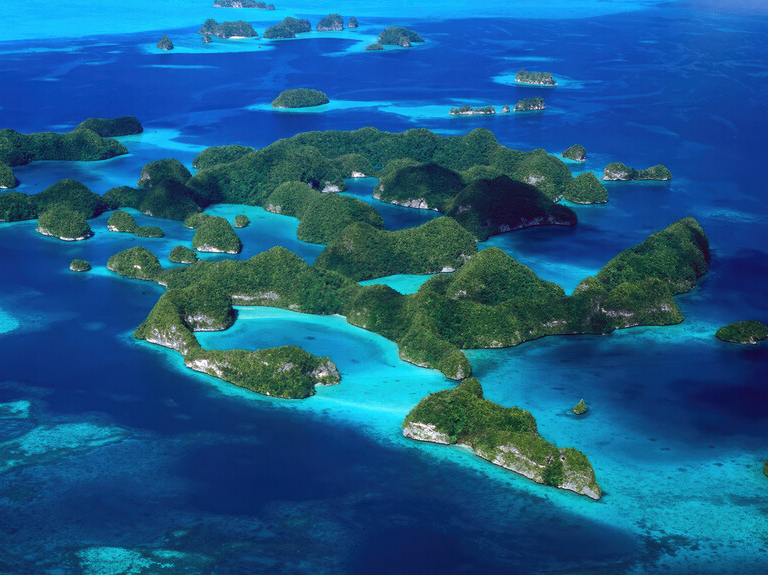
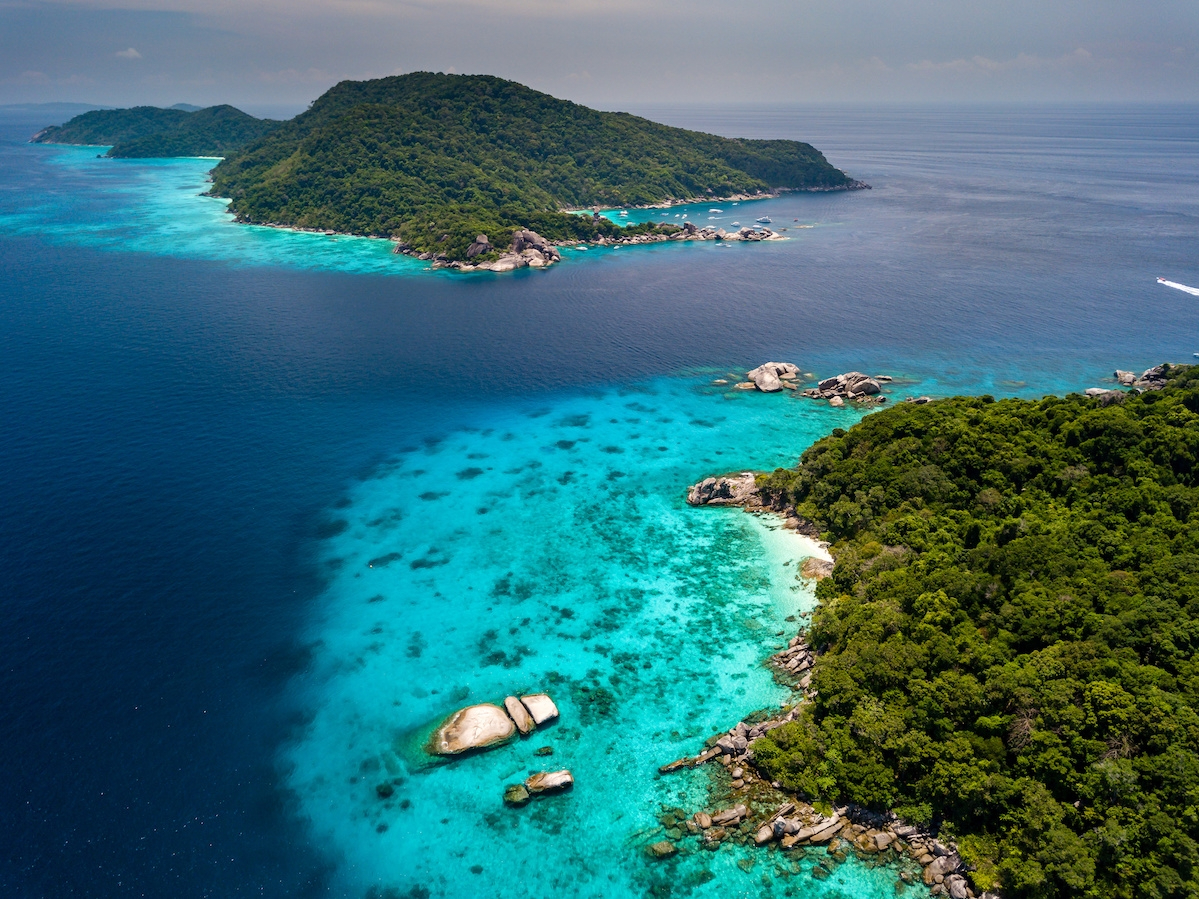
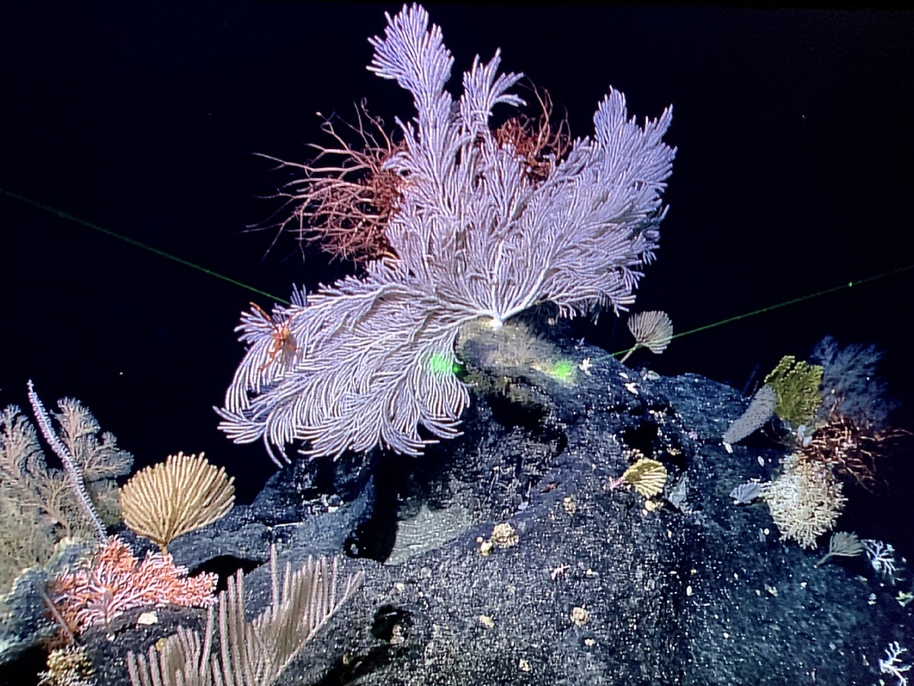
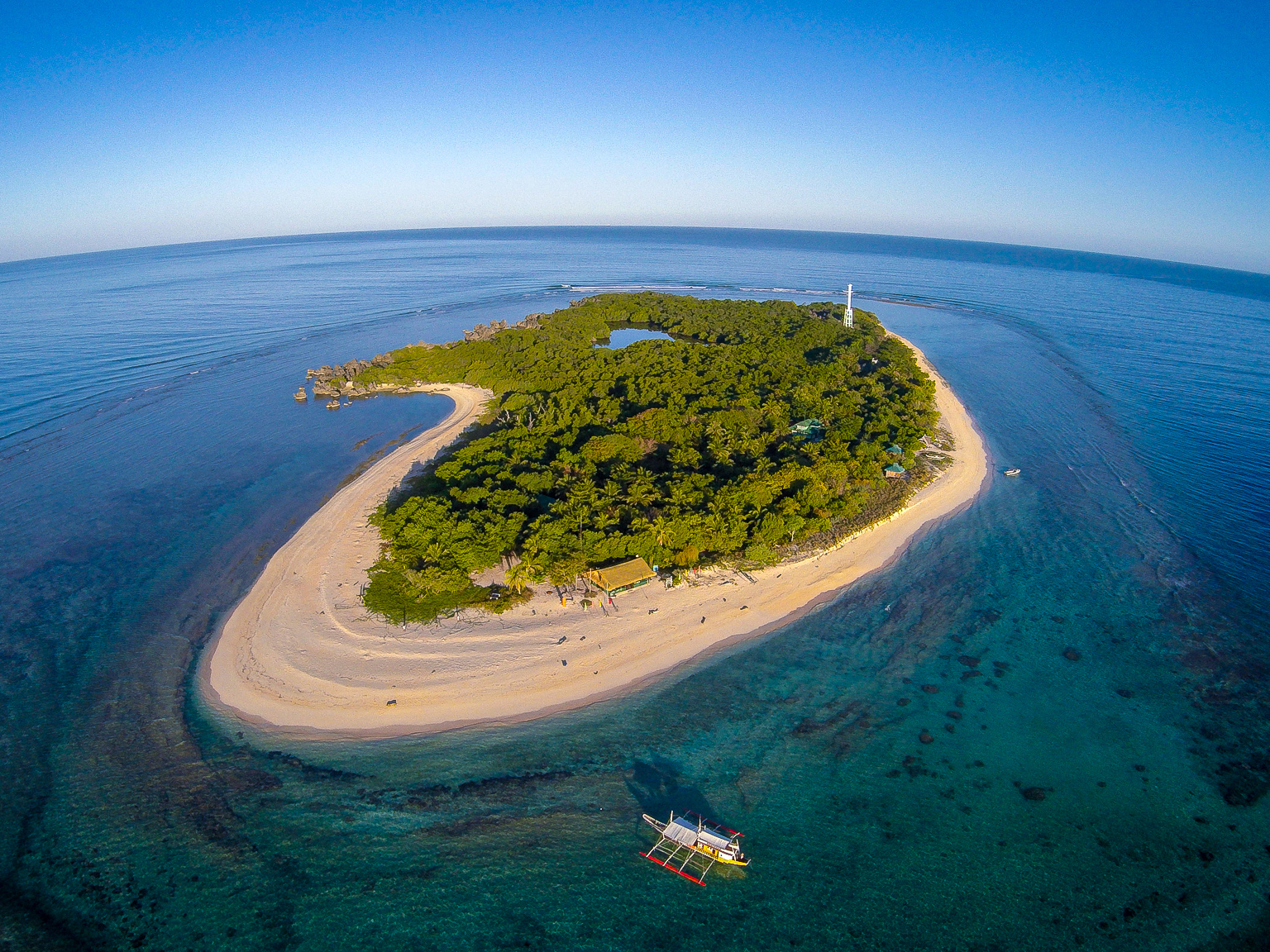
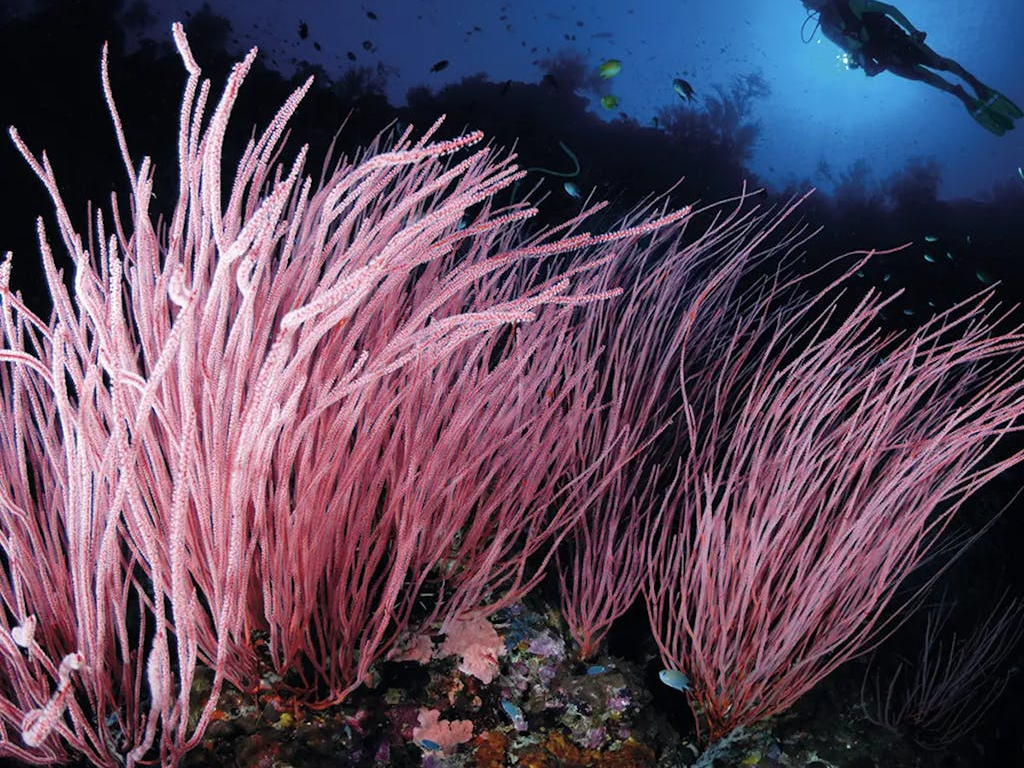
Coral Gallery
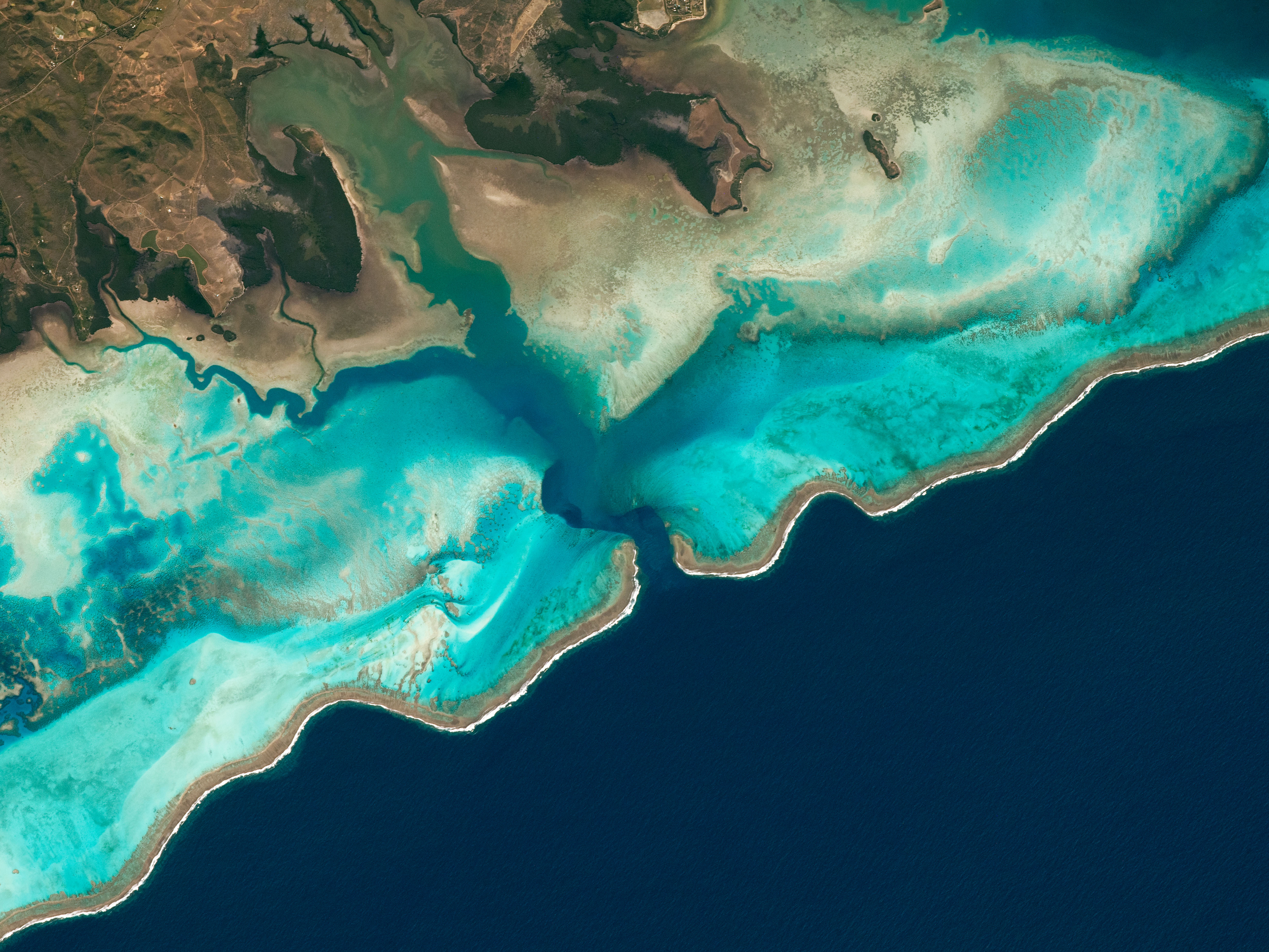
Check out the coral ecosystem of world
- All
- News
- Issues
- Ideas
F.A.Q
Frequently Asked Questions
-
What are Coral Reefs and there types ?
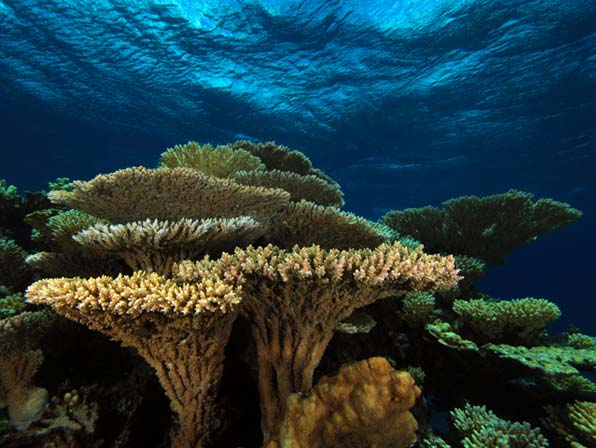
Coral reefs are some of the most diverse ecosystems in the world. Coral polyps, the animals primarily responsible for building reefs, can take many forms: large reef building colonies, graceful flowing fans, and even small, solitary organisms. Thousands of species of corals have been discovered; some live in warm, shallow, tropical seas and others in the cold, dark depths of the ocean.It's estimated that there are approximately 2,500 to 3,000 known species of corals.These corals are classified into two main groups:
Hard Corals (Scleractinia): These corals secrete a calcium carbonate skeleton and form the backbone of coral reefs. They are the primary reef-building corals and are known for their intricate skeletal structures.
Soft Corals (Alcyonacea): Soft corals lack a hard skeleton and have a flexible, fleshy appearance. They are often found in a variety of reef habitats and include species such as sea fans, sea whips, and sea pens -
What are the benefits of the coral reef for the ecosystem ?
Coral reefs protect coastlines from storms and erosion, provide jobs for local communities, and offer opportunities for recreation. They are also are a source of food and new medicines. Over half a billion people depend on reefs for food, income, and protection. Fishing, diving, and snorkeling on and near reefs add hundreds of millions of dollars to local businesses. The net economic value of the world’s coral reefs is estimated to be nearly tens of billions of U.S. dollars per year. These ecosystems are culturally important to indigenous people around the world
-
What are the various threats to the coral reefs ?
Unfortunately, coral reef ecosystems are severely threatened. Some threats are natural, such as diseases, predators, and storms. Other threats are caused by people, including pollution, sedimentation, unsustainable fishing practices, and climate change, which is raising ocean temperatures and causing ocean acidification. Many of these threats can stress corals, leading to coral bleaching and possible death, while others cause physical damage to these delicate ecosystems.
Common Coral Diseases:
1. Coral Bleaching: Elevated sea temperatures can cause corals to expel symbiotic algae, leading to a loss of color and energy.
2. White Syndrome: A bacterial infection causing tissue loss, leading to white patches on corals.
3. Black Band Disease: A microbial mat, including bacteria, that migrates over coral colonies, leading to tissue death.
4. Brown Band Disease: A type of tissue loss disease caused by a pathogenic cyanobacterium.
5. Rapid Tissue Necrosis: Characterized by the rapid death of coral tissue, often linked to bacterial infections. -
What are the various ways to protect the coral reef ecosystem ?
Prevention Strategies:
1. Climate Change Mitigation: Reduce greenhouse gas emissions to mitigate the impacts of climate change on sea temperatures and ocean acidification.
2. Marine Protected Areas: Establish and enforce protected areas to limit fishing activities and provide safe havens for coral reefs.
3. Sustainable Fishing Practices: Implement and promote sustainable fishing practices to maintain the ecological balance of coral reef ecosystems.
4. Water Quality Management: Implement measures to reduce runoff and pollution from agricultural and urban areas.
5. Coral Restoration: Support coral restoration projects, including coral farming and transplantation, to enhance the recovery of damaged reefs.
6. Educational Outreach: Raise awareness and educate local communities and visitors about the importance of coral reefs and how to minimize their impact.
Team
Our team is always here to help

Tushar Chandak
Project DeveloperContact Us
Contact us the get started
Location:
Sathyabama University, Chennai
Email:
tusharchandak2004@gmail.com
Call:
+91 9827156739